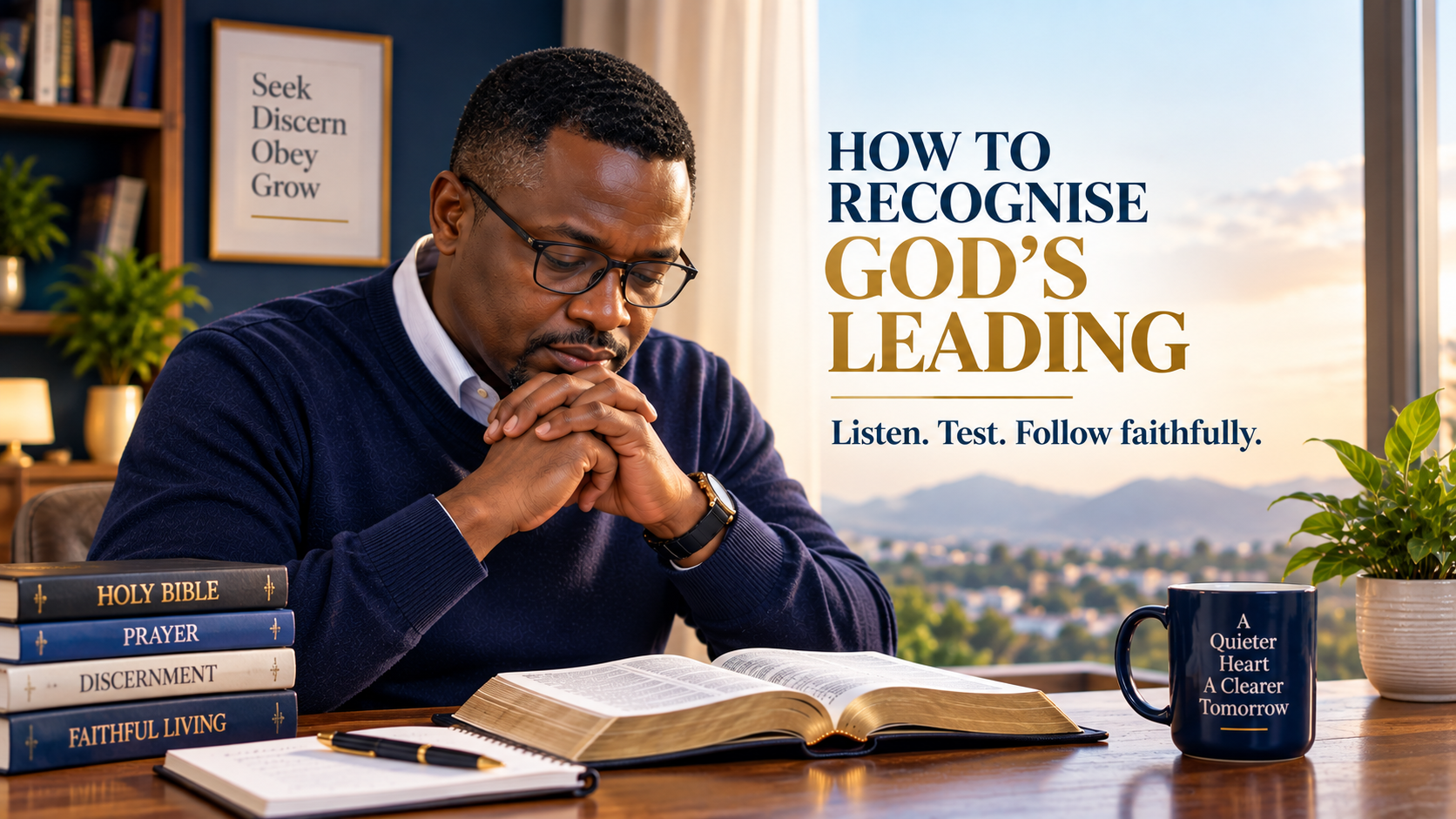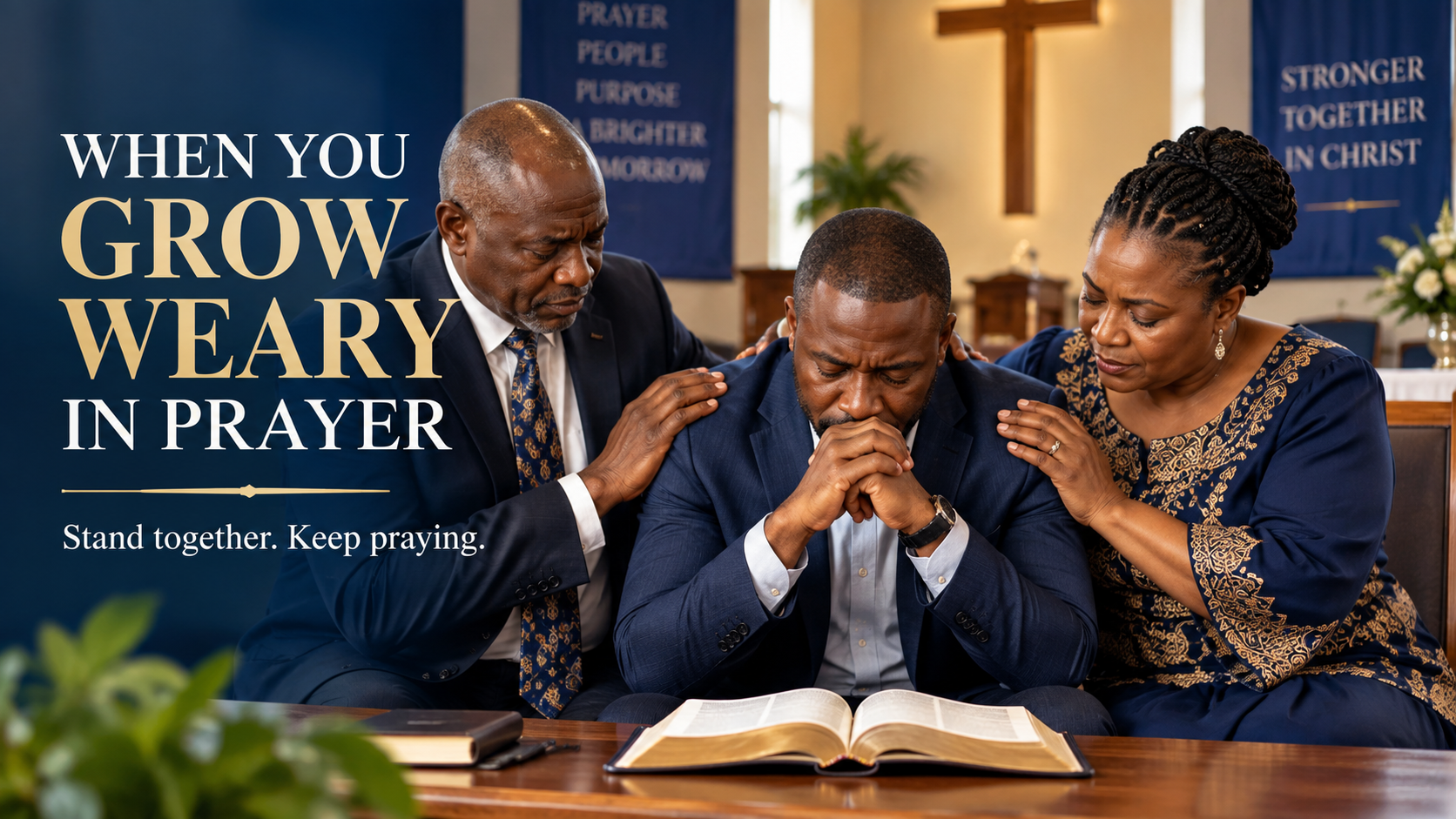
Faithfulness in the Hidden Place: Where Calling Is Formed
Calling is rarely revealed in isolation. God forms maturity through faithful service—quiet obedience, steady stewardship, and responsibility carried with reverence.
Author: Elphas Sipho Mdluli • Focus: faithful service and calling
“Calling is protected and clarified by faithful stewardship—especially in the hidden place.”
— Elphas Sipho Mdluli
Key Scripture — 1 Peter 4:10 (NKJV)
“As each one has received a gift, minister it to one another, as good stewards of the manifold grace of God.”
Service is not merely activity; it is stewardship. God entrusts gifts so they may be administered with maturity and reverence for His glory.
The Quiet Tension
Many believers long to understand their calling yet overlook the place where it is most often clarified—consistent service.
We sometimes expect calling to arrive with dramatic certainty. Yet Scripture frequently shows that responsibility precedes revelation.
God entrusts before He enlarges. Faithful service is not a stage for visibility; it is a proving ground for stewardship.
The Pattern of Formation
1) Faithfulness Before Promotion
Matthew 25:21 (NKJV)
“Well done, good and faithful servant; you were faithful over a few things, I will make you ruler over many things.”
In the Kingdom, promotion is not granted to ambition; it grows from reliability. Small responsibilities train large capacity.
2) Obedience Before Clarity
James 1:22 (NKJV)
“But be doers of the word, and not hearers only, deceiving yourselves.”
Hearing builds awareness. Doing builds weight. Service stabilizes understanding and turns belief into embodied discipline.
3) Service Shapes Character
Mark 10:45 (NKJV)
“For even the Son of Man did not come to be served, but to serve…”
If Christ expressed greatness through service, service cannot be secondary in the disciple’s life. It trains humility, patience, and perseverance.
4) Stewardship Strengthens the Body
Ephesians 4:12–13 (NKJV)
“For the equipping of the saints for the work of ministry… till we all come… to the measure of the stature of the fullness of Christ.”
Ministry is a maturity mechanism. When believers contribute responsibly, the body gains stability and unity.
Reflection
Ask yourself quietly:
Am I waiting for clarity while neglecting present responsibility?
Is my faithfulness visible only when convenient?
What has God already entrusted to me?
Am I stewarding it well?
Spiritual growth is rarely explosive. It is steady—shaped by consistent obedience, not occasional enthusiasm.
Next Steps
If you desire stability before responsibility, you may begin strengthening your spiritual foundation through
our Foundations formation pathway.
Service becomes sustainable when life is ordered. Without spiritual alignment, enthusiasm fades and responsibility feels heavy.
But when prayer, doctrine, accountability, and structure are present, service becomes natural rather than forced.
Father, teach me to value hidden faithfulness. Guard me from seeking visibility without responsibility.
Help me steward what You have already entrusted. Form weight within me before You expand influence through me.
In Jesus’ name, Amen.
Declarations
I am a steward, not an owner.
Faithfulness prepares me for greater responsibility.
I grow into influence through consistent obedience.
Leadership Closing
Calling rarely becomes clear in isolation. It is most often revealed through faithful service.
You do not drift into Kingdom impact—you are formed into it.
Internal linking map
The pathway links below are included naturally in the devotional, and listed here for quick access.
Service is not merely activity within the church. In Scripture, ministry involvement is a formation pathway—where stewardship is tested,
character is strengthened, and calling becomes clearer through faithful responsibility.
Formation-drivenResponsibility over visibilityOrdered Life integrationStewardship of calling
Many believers sincerely desire to serve God yet quietly wonder where they fit—unaware that calling is often clarified through faithful service.
They are not resisting responsibility; they are navigating uncertainty. They want to contribute meaningfully, not superficially.
They desire to be useful to Christ without stepping into activity that feels disconnected from formation.
This tension is not usually a lack of devotion. It is often a lack of structured understanding. Service has too often been presented as
participation rather than formation. Yet in Scripture, ministry involvement is not recruitment—it is refinement.
The Kingdom of God does not measure faithfulness by visibility. It measures it by stewardship. Service, therefore, is not merely what you do in church;
it is evidence of what God is forming in you.
2. Pastoral Recognition
Uncertainty about your place in ministry is common—and often signals readiness for deeper formation.
Many believers assume clarity must precede obedience. Yet Scripture repeatedly shows that clarity often follows faithfulness.
This does not mean rushing into activity without discernment. It means understanding that maturity is cultivated through responsible participation.
Faithful service becomes a classroom for humility, structure, and perseverance.
There is a shift that marks spiritual growth: the believer stops asking, “Where can I be seen?” and begins asking,
“What has God entrusted to me, and how can I steward it with honor?” That question reflects formation.
3. Biblical Foundation
1 Peter 4:10–11
“As each one has received a gift, minister it to one another, as good stewards of the manifold grace of God… that in all things God may be glorified
through Jesus Christ.”
Peter frames service as stewardship. Gifts are not badges of identity—they are entrusted grace. The believer is not an owner but a manager.
The purpose is clear: that God may be glorified. Service, then, is reverent administration of divine trust.
Supporting Passages
Matthew 25:21
“Well done, good and faithful servant; you were faithful over a few things, I will make you ruler over many things.”
The Lord commends faithfulness, not prominence. The reward is increased responsibility. Service trains stewardship in real time.
1 Corinthians 12:18, 27
“But now God has set the members, each one of them, in the body just as He pleased.”
“Now you are the body of Christ, and members individually.”
The church is an ordered body, not a crowd. Placement is purposeful. Contribution strengthens the whole.
Ephesians 4:12–13
“For the equipping of the saints for the work of ministry, for the edifying of the body of Christ, till we all come to the unity of the faith…
to a perfect man, to the measure of the stature of the fullness of Christ.”
Ministry involvement is tied to maturity. Service is formative: it builds Christlike stability, unity, and growth.
Colossians 3:23–24
“And whatever you do, do it heartily, as to the Lord and not to men… for you serve the Lord Christ.”
Service directed toward Christ produces consistency, excellence as worship, and devotion through discipline.
Mark 10:43–45
“Whoever desires to become great among you shall be your servant… For even the Son of Man did not come to be served, but to serve.”
Jesus redefines greatness through service. Influence flows through contribution—the leadership ethic of Christ.
4. Formation Framework
Service becomes a formation pathway when believers learn to carry responsibility with structure, theology, and steadiness.
The movements below are designed to build trust through clarity—not scattered reflection.
Movement 1: Responsibility Before Visibility
Matthew 6:4
“Your Father who sees in secret will Himself reward you openly.”
God values hidden faithfulness. Private reliability builds public trust. Service that forms maturity often begins in unnoticed obedience.
Leadership insight: Leaders trust consistency more than charisma.
Practical implication: Embrace assignments that train discipline, humility, and order.
Movement 2: Stewardship of Calling
Romans 12:6
“Having then gifts differing according to the grace that is given to us, let us use them.”
Calling is not merely discovered—it is exercised. Gifts are clarified in motion. Stewardship precedes expansion.
Leadership insight: Many wait for perfect clarity while neglecting present responsibility.
Practical implication: Begin where you can serve faithfully. Calling matures through management.
Movement 3: Service as Spiritual Maturity
James 1:22
“But be doers of the word, and not hearers only, deceiving yourselves.”
Obedience must take visible shape. Service gives structure to obedience. It trains patience, endurance, and submission.
Leadership insight: Maturity is steadiness—not intensity.
Practical implication: Measure growth by reliability, not excitement.
Movement 4: Influence Through Contribution
Philippians 2:3
“Let nothing be done through selfish ambition or conceit, but in lowliness of mind let each esteem others better than himself.”
Contribution builds influence. Ambition weakens unity. Service that esteems others strengthens the church.
Leadership insight: Credibility is earned through long-term faithfulness.
Practical implication: Seek to strengthen others rather than elevate yourself.
Movement 5: Faithfulness That Strengthens the Church
Acts 2:42
“And they continued steadfastly…”
The early church was marked by steadfastness—ordered devotion. Stability is built by consistency, not bursts of activity.
Leadership insight: Strong churches are built by reliable believers.
Practical implication: Serve in ways that increase order, clarity, and unity.
5. Ordered Life Integration
Service requires spiritual infrastructure. Without alignment, discipline, and structure, even gifted believers become inconsistent.
When a life is rightly ordered, service becomes a natural expression rather than an obligation.
Believers seeking structured spiritual formation may
enter our structured discipleship pathway,
where doctrine, discipline, and responsibility are developed together.
6. Practical Formation Guidance
Reflection Questions
Am I serving for contribution or recognition?
Is my life ordered enough to sustain consistent responsibility?
Stewardship of Calling: Managing What God Has Entrusted
Core Insight
Calling is entrusted trust. It must be governed with reverence.
The Lord forms stewards before He expands influence. Faithfulness precedes authority.
Service is where that faithfulness is proven.
Directional Invitations (Formation Pathways)
Intellectual Formation — Freedom Hub:
Those desiring deeper clarity on purposeful living may continue exploring structured teachings through Freedom Hub,
where stewardship and calling are examined with theological depth and disciplined frameworks.
Embodied Formation — Church:
Maturity requires lived obedience. As you
enter our structured discipleship pathway,
formation moves from understanding to participation.
Structured Growth — Patreon:
For believers pursuing intentional spiritual development and leadership maturity, Patreon functions as a guided formation space—
structured teaching, reflective development, and disciplined growth for those who desire spiritual steadiness.
Service is not how you earn spiritual worth—it is how God forms spiritual weight. Responsibility carried with reverence becomes influence sustained by character.
You do not drift into a life of Kingdom impact—you grow into it through consistent stewardship.
Internal linking map
For easy navigation, the pathways below show where each link appears in the article.
Each pathway name is clickable.
These reflections flow from the teaching on obedience as spiritual structure, with particular attention to timing, surrender, and alignment for disciplined believers and emerging leaders.
Obedience becomes a pattern when we respond to God’s voice today.
Key Scripture
Hebrews 3:15 (NKJV)
“Today, if you will hear His voice, do not harden your hearts…”
Supporting Scriptures
1 Samuel 15:22 (NKJV)
Obedience is better than sacrifice.
James 1:22 (NKJV)
Be doers of the Word, not hearers only.
Isaiah 1:19 (NKJV)
Willing and obedient: the promise follows.
Devotional Reading
Many believers love God sincerely, yet struggle with a hidden pattern: delay. Not open rebellion—just postponement. We do not refuse God’s instruction; we “re-schedule” it. We intend to obey later, when it feels safer, clearer, or less costly.
But Scripture treats “today” as a spiritual word. Hebrews 3:15 does not merely encourage us to listen—it warns us about what delay can do to the heart. When God speaks and we repeatedly postpone obedience, something begins to change inside us: the heart slowly loses sensitivity.
This is why the prophet Samuel confronted Saul so firmly. Saul still looked religious. He still performed sacrifices. Yet his obedience was partial and delayed—and God called it disobedience. In the Kingdom, religious activity cannot replace surrendered response.
Here is the comfort and the call: Christ does not only command obedience—He empowers it. His grace does not produce excuses; it produces strength. He forgives yesterday’s delay and supplies today’s courage. And that is how the Word becomes a way of life: we stop negotiating and start aligning.
Formation Focus
One heart-level insight
Delayed obedience often reveals a deeper desire for control.
We want to obey God, but we also want to manage the cost, the timing, and the outcome. The devotional call is simple: surrender control without surrendering wisdom. Obey with humility, not haste—yet without postponement.
One practical frame
Hearing → Deciding → Practicing → Becoming
Hearing: I receive God’s Word.
Deciding: I choose obedience.
Practicing: I implement consistently.
Becoming: obedience forms my character.
This is spiritual maturity: not emotional intensity, but structured response.
Reflection Questions
What instruction from God have I delayed, even while calling Him Lord?
Where have I obeyed outwardly but resisted inwardly?
What cost am I trying to avoid—loss of comfort, pride, control, or exposure?
What does faithful obedience look like today, in one concrete step?
Today’s Practice
The “Two-Minute Obedience Audit”
Write two lines:
“Today, I obeyed God in…”
“Today, I delayed God in…”
Then pray:
“Lord, I surrender my timing. Make my heart willing and my response aligned.”
Obedience Step
Choose one action today:
Send the reconciliation message you postponed.
Close the compromise you keep justifying.
Return to one spiritual discipline you abandoned.
Ask for pastoral counsel instead of carrying the burden alone.
Short Prayer
Father, thank You for Your Word that calls me into alignment. Forgive my delays and cleanse my heart from fear and stubbornness. Lord Jesus, You obeyed perfectly where I have failed—strengthen me to trust You today. Holy Spirit, make my heart sensitive and my response steady. I choose willing obedience. In Jesus’ name, Amen.
Declarations
Today, when God speaks, I respond with humility and courage.
I reject partial obedience; I surrender fully to Christ’s authority.
My heart remains soft, teachable, and sensitive to the Holy Spirit.
By grace, obedience becomes my pattern—not my exception.
Delayed Obedience Is Disobedience: When the Word Must Become a Way of Life
Many believers hear truth faithfully, yet still struggle with delayed response and selective surrender. This article turns sermon truth into structured formation—so the Word becomes lived obedience, not admired insight.
Calm, natural-light imagery symbolizing timely obedience and ordered response.
1) Opening — Name the Internal Tension
Many believers faithfully hear sermons yet quietly wonder why lasting transformation sometimes feels slower than expected. They listen attentively, agree with the truth, even feel convicted—yet the same patterns return: postponed repentance, selective surrender, inconsistent spiritual discipline, and an inner sense that growth is real but not yet stable.
This tension is not a lack of information. It is often the gap between hearing and responding, between admiration of truth and submission to truth. In that gap, the heart learns a dangerous habit: delay.
2) Pastoral Recognition
It is wise to admit this openly: hearing truth is the beginning, not the finish. A sermon can awaken the conscience, clarify Scripture, and strengthen faith. But formation requires something more than insight—it requires ordered response.
There is no shame in acknowledging the struggle. The danger is not that you are tempted to delay; the danger is that delay becomes normal. Spiritual life is not shaped only by what we believe, but also by what we obey, what we practice, and what we repeatedly choose when God’s instruction becomes specific.
If you desire steady growth, you are not merely looking for stronger emotions in worship. You are looking for stronger alignment in daily life.
Opening Illustration
A young child is told by his father, “Don’t run into the street.” The father sees a car coming. The child hears the command—but hesitates. He pauses, calculates, wonders if he has time. One second feels small. But in that second, danger draws near.
Delayed obedience in that moment is not harmless—it is dangerous.
Often, we treat God’s instructions the same way. We don’t say “no.” We just say, “Not yet.” We intend to obey. We plan to obey. But we delay. And in our delay, we drift.
This reveals something deep about the human heart: we struggle to trust fully. We want control. We want convenience. We want clarity before surrender. And that is why we need Christ—not merely as an example of obedience, but as the Savior who changes our hearts and empowers us to obey.
3) Sermon Big Idea
God does not call His people merely to listen to truth—but to be ordered by it.
This is the governing idea: sermons are not spiritual entertainment, and they are not only educational moments. They are invitations into alignment, calls into discipline, instructions for stewardship, and training toward faithful influence.
4) Biblical Foundation
Anchor Scripture: 1 Samuel 15:22–23 (NKJV)
Samuel confronts Saul with a statement that reveals heaven’s priority: God values obedience above religious activity. Saul offered sacrifices, but he did not obey fully. He remained outwardly spiritual while inwardly resistant. Scripture exposes this as a leadership failure rooted in a deeper spiritual disease: partial obedience.
Saul did not completely reject God—he partially obeyed. He adjusted God’s command to fit his reasoning. He delayed full obedience. And heaven called it disobedience.
Why do believers struggle here?
We fear what obedience may cost.
We assume partial obedience is sufficient.
We believe delayed obedience is still obedience.
But Christ stands at the center of this issue. He is the perfect model of obedience. He is the One who fulfilled what we failed to do. And He is the One who empowers us to walk in obedience today.
Supporting Passages (with interpretation)
Hebrews 3:15 (NKJV)
“Today… do not harden your hearts.”
The word today matters because it exposes the moral nature of delay. When God speaks, delayed response is rarely neutral; it often becomes the first stage of hardening.
James 1:22–25 (NKJV)
“Be doers of the word, and not hearers only.”
James frames hearing without obedience as self-deception. The issue is not ignorance; it is refusal to let truth govern the will.
Luke 6:46 (NKJV)
“Why do you call Me ‘Lord, Lord,’ and not do the things which I say?”
Jesus exposes a contradiction: confessing His Lordship while resisting His commands. This is not a minor inconsistency; it is a spiritual fracture.
John 14:21 (NKJV)
“He who has My commandments and keeps them… loves Me.”
Jesus ties obedience to love—not as legalism, but as relational reality. Obedience is not how we earn His love; it is how we express that we trust Him.
Isaiah 1:19 (NKJV)
“If you are willing and obedient, you shall eat the good of the land.”
Scripture connects willingness (heart posture) with obedience (visible action). God’s promises are often experienced through aligned response, not delayed negotiation.
Conclusion: obedience is spiritual structure, and timing is part of obedience.
5) Scriptural Exposition (Core Teaching)
Movement 1 — Hearing vs. Becoming: Truth Must Move from Mind to Will
Explanation: Hearing a sermon can produce recognition, conviction, and understanding. But formation begins when truth becomes a decision, then a pattern, then a way of life. Many believers want spiritual depth while remaining hesitant to restructure their habits.
Biblical grounding: James 1 warns that hearing without doing becomes self-deception. You can sincerely admire truth while quietly refusing its demands.
Leadership insight: Leaders are not formed by what they know alone. They are formed by what they consistently obey. Private compromise produces public instability. Private alignment produces public clarity.
Practical implication: After every sermon, ask: What must change this week—not in theory, but in practice? The Word becomes spiritual power in the life that responds.
Movement 2 — Timing Matters to God: “Today” Is a Spiritual Word
Explanation: We often delay because we want control—control of outcomes, control of cost, control of timing. But Scripture repeatedly uses present-tense language when calling for repentance, forgiveness, reconciliation, and surrender. God’s instruction is frequently immediate because our hearts drift quickly.
Biblical grounding: Hebrews 3:15 uses today because delay hardens the heart. Saul’s failure was not only what he did, but how he adjusted God’s command to fit his reasoning and schedule.
Leadership insight: Delayed obedience is often disguised as maturity: “I’m still processing.” Sometimes processing is real. But often it is avoidance dressed in respectable language. A disciplined disciple can distinguish between wise counsel and fearful postponement.
Practical implication: When God speaks clearly—about forgiveness, integrity, repentance, humility—respond while the heart is soft. Do not wait until the conscience is quiet. Quiet conscience is not always peace; it may be numbness.
Movement 3 — Partial Obedience Is Rebellion: Selective Surrender Is Still Resistance
Explanation: Saul spared what God told him to destroy. He obeyed enough to look faithful, but he kept what seemed valuable. This is the anatomy of partial obedience: we surrender what costs little and protect what we love too much.
Biblical grounding: 1 Samuel 15:23 calls rebellion and stubbornness spiritual matters, not merely personality traits. Selective obedience places human judgment above divine authority.
Leadership insight: Partial obedience is especially dangerous for emerging leaders because it trains people to manage spiritual appearance while avoiding spiritual truth. Over time, this produces a leadership culture that is impressive but unreliable.
Practical implication: Identify your “protected area”—the one instruction you keep renegotiating. That is often the very area Christ intends to govern, not to shame you, but to free you.
Movement 4 — Alignment Before Increase: God Strengthens What He Orders
Explanation: Many want increased influence, deeper anointing, greater effectiveness, and stronger impact—yet resist the simple obedience that orders the inner life. Scripture shows a pattern: God establishes private order before public increase.
Biblical grounding: Jesus’ words in Luke 6:46 confront the gap between confession and compliance. God’s order is not primarily about external rules; it is about internal alignment that produces stable obedience.
Leadership insight: Influence without order creates damage. An “open door” without discipline becomes an open exposure. God’s love protects us by insisting on alignment before expansion.
Practical implication: Treat obedience as your first leadership qualification. Before asking God for more responsibility, ask: Is my private life governed by what He already said?
Movement 5 — Christ at the Centre: Obedience Is Not Willpower; It Is Spirit-Empowered Trust
Explanation: This teaching is not condemnation—it is invitation. Saul reveals what human nature does when it wants control. Christ reveals what true sonship does when it trusts the Father. Jesus obeyed fully—without negotiation—because His trust was complete.
Biblical grounding: John 14:21 shows that obedience flows from love, and love flows from relationship. The gospel does not merely demand obedience; it gives a new heart and the Spirit’s help.
Leadership insight: Strong discipleship never produces self-salvation projects. It produces Christ-dependence: “Lord, I will obey because You have saved me, and You now empower me.”
Practical implication: When you feel the cost of obedience, do not stare at the cost. Look at Christ. Obedience becomes possible when trust becomes stronger than fear.
6) Leadership Implications
Private order produces public stability. People trust leaders whose inner life is governed, not impulsive.
Disciplined believers become safe carriers of influence. If your obedience is selective, your influence will be unpredictable. If your obedience is ordered, your influence becomes trustworthy.
For a church to remain spiritually healthy, sermons must not become archives. They must function as shepherding tools that lead to practical response and clear next steps.
7) Ordered Life Application
In Ordered Life language, delayed and partial obedience disrupt four pillars:
Alignment
You cannot remain aligned to Christ while continually postponing His instructions.
The heart that delays God’s Word will also mishandle time, relationships, and responsibility.
Influence
Influence grows safest when submission grows deepest.
Obedience is not merely a spiritual moment. It is a governance system for the soul.
8) Practical Formation Guidance
Inspiration becomes transformation through consistent response. Use the following practices for the next 14 days.
Reflection Questions
What instruction from God have I delayed, even though I call Him Lord?
Where have I obeyed publicly but compromised privately?
What fear is fueling my hesitation—loss, rejection, discomfort, exposure, or change?
What would “today obedience” look like in one concrete step?
Spiritual Practices (Simple and Repeatable)
Two-Minute Obedience Audit (Daily): Each evening, write one sentence: “Today I obeyed God in…” and one sentence: “Today I resisted God in…” Keep it honest, not dramatic.
Scripture Rehearsal (3 times a week): Read 1 Samuel 15:22–23 and Hebrews 3:15 slowly. Then write: “What does this require of my timing and my surrender?”
Prayer of Surrender (Daily): “Lord, I trust You. I will not negotiate what You have made clear. Make my heart willing and my response immediate.”
Journaling Prompts
“If I obeyed fully, the new pattern in my life would be…”
“The hidden cost I fear is…”
“Christ has already obeyed perfectly on my behalf; therefore I can trust Him with…”
Obedience Steps (Choose One This Week)
Initiate reconciliation you have postponed.
End a compromise you keep justifying.
Return to a discipline you abandoned (prayer rhythm, Scripture reading, integrity with finances, purity boundaries).
Seek counsel where pride has kept you isolated.
Leadership Application
If you serve in any ministry capacity, write down: “The one area where my example must become more consistent is…” Then choose one measurable practice that strengthens your integrity.
Strong Call to Action (Dignified, Not Urgent)
If you hear His voice today, do not harden your heart. This is not a call to pressure; it is a call to clarity. The Lord is not trying to shame you—He is trying to stabilize you.
Where have you delayed?
Where have you partially obeyed?
Where has God spoken clearly, yet you postponed?
Return with honesty. Trust Christ fully. Surrender control completely. Step into obedience now—not as panic, but as alignment.
Short Prayer
Heavenly Father,
We thank You for Your Word that calls us higher. Forgive us for every delay and every area of partial obedience. Cleanse our hearts from stubbornness and fear. Lord Jesus, You obeyed perfectly where we have failed—teach us to trust You fully. Holy Spirit, help us respond quickly when You speak. Give us willing hearts and courageous faith to obey today. In Jesus’ name, Amen.
Declarations
I choose immediate obedience—when God speaks, I respond.
I reject partial obedience and surrender fully to Christ.
My heart is willing, soft, and sensitive to the voice of the Lord.
Through Christ, I have the grace and strength to obey completely and walk in God’s promises.
Three Directional Invitations
1) Intellectual Depth — Freedom Hub
Those desiring to continue growing in biblical understanding may explore the structured teaching resources available through structured biblical resources for serious believers, where formation is treated as ordered learning, not shallow inspiration.
Recommended when you want clarity, structure, and deeper biblical understanding.
For believers who desire structured, intentional growth through practice and accountability, the guided formation community for daily spiritual order exists as a space for consistent patterns, spiritual discipline, and measured progress.
Choose one next step that matches your season
If obedience has been delayed, begin with foundations and community support. If obedience has been selective, seek counsel and rebuild alignment with Scripture and practice.
God often forms His servants long before He reveals their influence.
Faithful responsibility is not a small beginning — it is the pathway through which spiritual maturity is established.
Scripture Focus
1 Peter 4:10 — “As each has received a gift, use it to serve one another, as good stewards of God’s varied grace.”
Luke 16:10 — “Whoever is faithful in very little is also faithful in much, and whoever is dishonest in very little is also dishonest in much.”
Many believers desire clarity about their calling, yet Scripture repeatedly reveals that calling is often uncovered through stewardship rather than speculation. Faithfulness in what appears small is not overlooked in the Kingdom — it is observed, strengthened, and entrusted with more.
Service is not merely participation in church activity. It is evidence that a believer’s life is aligning under Christ. When responsibility is embraced with humility, spiritual character deepens, discipline matures, and influence becomes trustworthy.
Devotional Insight
Jesus never separated greatness from servanthood. What Heaven measures is rarely what the world celebrates. While visibility attracts attention, responsibility builds substance.
Hidden faithfulness trains the heart in ways public moments cannot. It teaches obedience without applause, steadiness without recognition, and devotion without comparison.
Colossians 3:23 — “Whatever you do, work heartily, as for the Lord and not for men.”
When service is offered unto the Lord rather than for approval, it becomes worship. Ordinary acts — preparing a space, supporting a ministry, strengthening others — become sacred expressions of stewardship.
Spiritual Reflection
Am I willing to be faithful before I am visible?
Do I view responsibility as formation rather than pressure?
Where might God already be inviting me to serve with consistency?
Is my desire rooted in contribution or recognition?
Prayer
Lord, shape my heart into a faithful steward. Teach me to embrace responsibility with humility and to serve with sincerity. Form in me the character that can carry what You entrust, and help me walk in steady obedience even when no one is watching. Amen.
Grow Deeper: This devotional introduces a formation principle that deserves thoughtful reflection. To explore the full teaching on responsibility, stewardship, and spiritual maturity, continue reading the complete article below.
Service Is Not Church Activity—It Is Evidence of Spiritual Maturity and Faithful Stewardship
Ministry involvement is a formation pathway. It clarifies calling through responsibility, strengthens character through ordered consistency,
and builds the Body of Christ through faithful contribution.
Many believers sincerely desire to serve God yet quietly wonder where they fit—unaware that calling is often clarified through faithful service.
They want to contribute with integrity, but they resist becoming busy without direction. They sense that ministry should be more than tasks, yet
they also know maturity cannot remain theoretical.
This tension is not a small matter. It touches identity, purpose, fear of misplacement, and the desire to serve without performing.
Some believers hesitate because they do not want visibility without substance. Others hesitate because they fear being used, misunderstood,
or placed in roles that do not reflect their design. And some hesitate because they associate service with pressure rather than formation.
But Scripture does not treat service as optional decoration. It presents service as the normal expression of a mature life—ordered under Christ,
stewarding gifts faithfully, contributing to the building up of the Body, and learning responsibility as a spiritual discipline.
2) Pastoral Recognition
Uncertainty about one’s place in ministry is common—and often signals readiness for deeper formation. Mature believers are rarely careless about
responsibility. The very fact that you want to serve well, without pretending, suggests that your conscience is alive and your discernment is functioning.
In many cases, the question “Where do I fit?” is not evidence of confusion; it is evidence of seriousness. People who seek visibility ask,
“Where can I be seen?” People who seek maturity ask, “Where can I become faithful?”
A shepherd does not force direction on a sincere believer. He forms them into stability, helps them interpret Scripture wisely,
and guides them into service that strengthens the church rather than consuming the servant. You do not need pressure to serve;
you need clarity about what service truly is.
3) Biblical Foundation
Anchor Scripture
1 Peter 4:10–11 — “As each has received a gift, use it to serve one another, as good stewards of God’s varied grace…”
Peter does not describe gifts as personal trophies. He calls believers stewards—managers of grace entrusted to them for the benefit of others.
In other words, gifting is not primarily about self-expression; it is about faithful administration. Service is the environment where stewardship becomes measurable,
character becomes visible, and maturity becomes tangible.
Supporting Passages (with interpretation)
Mark 10:43–45 — Jesus teaches that greatness in His Kingdom is not defined by rank but by servanthood.
This is not a motivational slogan; it is a definition of spiritual leadership. In Christ’s order, authority is validated by humility,
and influence is purified through service. A believer who will not serve cannot be trusted with weight.
1 Corinthians 12:12–27 — Paul presents the church as a body, not a crowd. Each member belongs, contributes, and supports the whole.
The implication is profound: ministry is not an extra role for a few; it is the normal life of the body. When members do not function, the body suffers.
When members mature into contribution, the body strengthens.
Matthew 25:14–30 (Parable of the Talents) — Jesus reveals that God evaluates faithfulness with what was entrusted, not excuses about fear or comparisons.
The servant who hid his talent did not commit a scandal—he committed neglect. The Kingdom does not reward potential; it rewards stewardship.
Service is one of the primary places stewardship is expressed.
Ephesians 4:11–16 — Christ gives leaders to equip the saints for the work of ministry so that the body grows into maturity.
This overturns the idea that “ministry” is only what leaders do. The saints are equipped so that the whole church becomes stable, discerning, and fruitful.
In this passage, service is directly connected to maturity, unity, and growth into Christ.
Colossians 3:23–24 — “Whatever you do, work heartily, as for the Lord…”
Paul dignifies ordinary service. Not every assignment is glamorous, but every act can be holy when offered to Christ.
The standard is not attention; the standard is faithfulness before God.
Theological summary: Service is not a church management strategy. It is a Kingdom pattern—where gifts are stewarded, character is tested,
humility is practiced, and the church is strengthened through ordered contribution under Christ.
4) Formation Framework (Core Section)
What follows is a structured pathway to understand ministry involvement as formation—never recruitment. These movements are not abstract ideals;
they are discipleship realities that produce spiritual weight.
Movement 1: Responsibility Before Visibility
Biblical grounding: Matthew 25:21 — “Well done, good and faithful servant…”
Jesus praises faithfulness, not exposure. Faithfulness is measurable in responsibility—showing up consistently, serving with integrity,
honoring leadership, and doing what is entrusted without drama.
Explanation: Visibility is not the problem; premature visibility is. When visibility arrives before responsibility, it produces shallow influence
and unstable character. But responsibility before visibility produces credibility, humility, and spiritual weight.
Leadership insight: Churches are often harmed by gifted people who are not formed. Gifts can draw attention while character lags behind.
Responsibility slows the believer down in the right way; it helps them learn order, submission, consistency, and reliability.
Practical implication: If you want clarity about calling, begin where responsibility is needed and where faithfulness can be tested.
Not to “prove yourself,” but to let stewardship become real.
Movement 2: Stewardship of Calling
Biblical grounding: 1 Peter 4:10 — “as good stewards…”
Calling is not merely a feeling; it is a stewardship. God entrusts grace to a believer and expects it to serve others.
Explanation: Many believers treat calling as a future title. Scripture treats calling as a present responsibility.
You do not discover calling only by thinking; you clarify calling by stewarding what you already carry—skills, compassion, discernment,
encouragement, administration, teaching capacity, mercy, helps, generosity, leadership, prayer, service.
Leadership insight: The church does not need more “interested” people; it needs formed stewards.
A steward asks, “What has God entrusted to me?” and “Where does this strengthen the body?”
Practical implication: Instead of searching for the perfect role, begin by identifying the grace you already carry and where it can bless people reliably.
Calling often becomes clearer when it is practiced.
Movement 3: Service as Spiritual Maturity
Biblical grounding: Ephesians 4:12–13 — ministry leads to maturity
Service is not only output; it is formation. It matures the believer through obedience, consistency, humility, and submission to order.
Explanation: A believer can attend services for years and still remain spiritually fragile if they never move into responsibility.
Responsibility forces growth: it trains patience, strengthens discipline, exposes pride, and teaches collaboration.
It also develops spiritual muscles—faithfulness, endurance, and wisdom.
Leadership insight: Emotional intensity can be mistaken for maturity. But maturity is proven in consistency of obedience.
People who serve faithfully learn how to lead themselves before leading others.
Practical implication: If you desire spiritual depth, do not only consume teaching. Let teaching produce practice.
Service becomes the training ground where truth becomes character.
Movement 4: Influence Through Contribution
Biblical grounding: Mark 10:43–45 — greatness through serving
In Christ’s Kingdom, influence grows downward before it grows outward.
Explanation: Many want influence because they want impact. Yet Scripture teaches that impact is sustained by servanthood.
Contribution is influence in its purest form—building quietly, strengthening people steadily, and bearing responsibility without demanding credit.
Leadership insight: True influence is not measured by who notices you. It is measured by who becomes stronger because you were faithful.
Contribution produces credibility. Credibility produces trust. Trust expands responsibility.
Practical implication: Choose contribution over reputation. Let your consistency speak. Let your character carry your gift.
Movement 5: Faithfulness That Strengthens the Church
Biblical grounding: 1 Corinthians 12:25–26 — mutual care within the body
The church becomes healthy when members function faithfully, not when a few are overloaded.
Explanation: Faithful service stabilizes the church. It reduces gaps, strengthens structure, protects unity, and models discipleship.
It also creates a culture where responsibility is normal and maturity is expected.
Leadership insight: A strong church is not built by excitement; it is built by ordered faithfulness.
When believers embrace responsibility, leaders can equip rather than constantly rescue.
Practical implication: Ask, “What strengthens the body?” not “What expresses me most?”
The church is not a stage for self-fulfillment; it is a body for mutual edification.
5) Ordered Life Integration
Service thrives where life is ordered. When a life is rightly ordered, service becomes a natural expression rather than an obligation.
Disorder produces burnout, inconsistency, and resentment. Order produces stability, readiness, and longevity.
An ordered life includes:
Spiritual alignment: serving from intimacy with Christ, not from striving.
Disciplined structure: showing up consistently, honoring time, preparing well.
Faithful stewardship: managing energy, relationships, and commitments with wisdom.
Purposeful influence: serving in ways that strengthen the body, not inflate the ego.
This is why service is formation: it teaches believers to align their schedules, habits, and priorities under Christ.
It shapes people into steady disciples rather than occasional participants.
Responsibility Before Visibility: The Hidden Beginning of True Ministry
The hidden place is where motives are purified. It is where a believer learns to serve without applause, to obey without negotiation,
and to be consistent without being seen.
In the Kingdom, God often entrusts visible influence after He has formed invisible faithfulness. Not because visibility is evil,
but because visibility reveals what is inside. The hidden season builds what visibility cannot create:
reliability
humility
endurance
teachability
spiritual order
If you want ministry that lasts, begin with responsibility that is quiet.
Focus Key Phrase: responsibility in ministry
SEO Title: Responsibility in Ministry: Why Faithfulness Precedes Visibility
Slug: responsibility-before-visibility
Meta Description: Discover why responsibility is the foundation of effective ministry and how faithful stewardship prepares believers for lasting influence.
Featured Image Description: A servant quietly arranging chairs in an empty sanctuary before a gathering.
Alt Text: Church servant preparing space symbolizing responsibility in ministry
Caption: God often entrusts more to those who serve faithfully when no one is watching.
Keywords: ministry responsibility, faithful service, Christian stewardship, spiritual maturity, church ministry, servant leadership
Three Directional Invitations (Formation Pathways)
1) Intellectual Formation — Freedom Hub:
Those desiring deeper clarity on purposeful living and stewardship may continue exploring structured teachings through Freedom Hub,
where biblical principles are developed with leadership-level depth and practical frameworks.
Explore stewardship and calling teachings on Freedom Hub
3) Structured Growth — Patreon:
For believers pursuing intentional spiritual development and leadership maturity, Patreon can serve as a guided formation space—where disciplined teaching,
structured practices, and accountable growth support long-term consistency rather than short-term intensity.
Join a guided formation space for leadership maturity
6) Practical Formation Guidance
This section moves from insight to participation—without pressure, and without recruitment language. The goal is clarity, readiness, and steady obedience.
A) Reflection Questions (for discerning your next step)
When I think about serving, do I desire contribution or recognition?
What responsibilities have I avoided because they feel “small”?
Where has God already given me grace to help people consistently?
Do I have the structure to serve steadily (time, priorities, emotional maturity)?
Am I teachable—willing to be guided, corrected, and formed?
What would it look like for my service to strengthen the body, not just express me?
B) Ministry Readiness Indicators
These are not perfection tests; they are maturity markers. You are likely ready for increased responsibility when you show:
Consistency: you can be relied upon without repeated reminders.
Order: your life has enough structure to carry commitment.
Humility: you can serve without controlling outcomes or demanding credit.
Submission: you can honor leadership and follow direction without offense.
Integrity: you handle people and resources with trustworthiness.
Stability: you do not serve from emotional volatility or unresolved conflict.
If these are weak, the answer is not condemnation. It is formation.
C) Spiritual Posture for Serving
Serve from intimacy, not insecurity. Ministry cannot become a substitute for identity in Christ.
Serve with reverence. You are handling people, sacred moments, and spiritual responsibilities.
Serve with patience. Formation is gradual. Faithfulness grows over time.
Serve with honor. Honor leadership, fellow servants, and the people you serve.
Serve with boundaries and wisdom. An ordered life protects longevity.
D) Leadership Applications
If you are growing into leadership, service provides the training ground for leadership realities:
You learn how to communicate with humility.
You learn how to handle correction without collapsing.
You learn how to prioritize excellence without perfectionism.
You learn how to serve people without being controlled by their opinions.
You learn how to build with others rather than compete.
Leadership in the Kingdom is not a position you claim. It is a weight you are formed to carry.
Service is not a spiritual side activity; it is one of God’s primary instruments for forming maturity, proving stewardship, and strengthening the church
through ordered contribution. Responsibility teaches what visibility cannot. Faithfulness reveals what ambition often hides.
And consistent service shapes believers into stable disciples whose influence can be trusted.
Calling rarely becomes clear in isolation—it is often revealed through faithful service.
Serve & Build
Ready to Serve With Purpose?
Spiritual maturity expresses itself through faithful service. Discover where you can contribute, grow in responsibility, and build others.
Obedience Is a Kingdom Accelerator: Quotes & Declarations
A formation-focused collection of quotes and declarations drawn from the teaching on obedience, alignment, and steady spiritual advancement in Christ—
designed for disciplined believers who desire mature growth within the life of the Church.
Theme: Advancing Through ObedienceFocus: Order & AlignmentUse: Prayer • Confession • Formation
“Obedience is not restriction; it is spiritual order that turns wandering into steady advancement in Christ.”
— Elphas Sipho Mdluli
How to Use These Quotes & Declarations
Use the quotes for meditation and journaling. Speak the declarations slowly, as formed prayers—meant to build steady alignment rather than emotional intensity.
If you are seeking a structured growth pathway inside the Church, begin with
Start Foundations,
and continue through the
Discipleship Pathway.
12 Quotes for Spiritual Order & Advancement
Read one quote per day, then write one obedience step that makes it concrete.
Quote 1
“Spiritual growth becomes steady when obedience becomes a practiced response, not an occasional moment.”
— Elphas Sipho Mdluli
Quote 2
“Hearing truth is the doorway; obedience is the structure that makes truth livable.”
— Elphas Sipho Mdluli
Quote 3
“God’s direction is not a limitation—His voice is the path that protects your progress.”
— Elphas Sipho Mdluli
Quote 4
“Alignment precedes advancement; increase without order becomes instability.”
— Elphas Sipho Mdluli
Quote 5
“Delayed obedience often looks like waiting, but it quietly extends the journey.”
— Elphas Sipho Mdluli
Quote 6
“Obedience reduces resistance, and reduced resistance feels like acceleration.”
— Elphas Sipho Mdluli
Quote 7
“You cannot build mature discipleship on inspiration alone—obedience is the rhythm that sustains growth.”
— Elphas Sipho Mdluli
Quote 8
“Private order produces public stability; a disciplined heart becomes a refuge for others.”
— Elphas Sipho Mdluli
Quote 9
“God does not bless disorder to prove love—He forms order to protect your future.”
— Elphas Sipho Mdluli
Quote 10
“Obedience is love made visible—faith becomes reliable when it becomes practiced.”
— Elphas Sipho Mdluli
Quote 11
“Christ enables obedience from within; formation is not self-effort, it is Spirit-empowered alignment.”
— Elphas Sipho Mdluli
Quote 12
“The reward of obedience is not only what God gives, but the clarity of who He reveals.”
— Elphas Sipho Mdluli
Declarations for Steady Spiritual Growth
Speak these declarations as a measured practice. If you need guidance or prayer support while taking a step of obedience,
reach out through Prayer & Pastoral Care.
I declare that I hear the voice of the Lord with clarity, and I respond with faithful obedience.
I declare that obedience orders my life, and my spiritual growth becomes steady and measurable.
I declare that every form of resistance is broken, and my heart yields quickly to Christ.
I declare that my obedience shortens unnecessary detours, and I will not wander in delay.
I declare that alignment comes before increase, and my life will carry God’s blessings with maturity.
I declare that my private life is disciplined, and public stability will be the fruit of obedience.
I declare that truth is not only heard by me; it is practiced by me until it forms my character.
I declare that Christ strengthens me from within, and my obedience flows from love, not pressure.
I declare that my schedule reflects my spiritual priorities, and my time is redeemed for God’s purpose.
I declare that obedience sharpens my spiritual sensitivity, and I recognize the Lord’s leading.
I declare that I belong to a forming community, and I grow through worship, accountability, and service.
I declare that I will not drift into maturity; I will grow into it by living what God has spoken.
Grow Deeper
Take Your Next Step in Spiritual Growth
Growth in Christ is intentional. Choose a pathway that strengthens your foundation and develops consistency in your walk with God.
A calm devotional for believers who desire steady growth: obedience as alignment with God’s voice,
ordered discipleship, and mature spiritual movement in Christ.
Key Scripture: Isaiah 1:19Anchor: Deuteronomy 28:1Focus: Order & AlignmentReading: 4–6 min
Big Idea: Spiritual advancement is rarely a mystery of emotion—more often, it is the fruit of obedience that brings order to the heart.
When Progress Feels Slower Than Expected
Many believers desire spiritual growth, yet quietly wonder why certain patterns persist and why transformation can feel slower than expected.
This question is not rebellion; often it is hunger for maturity.
Today’s devotional offers a stable answer: progress often becomes clearer when obedience is treated as alignment—practiced, consistent, and Spirit-enabled.
Scripture for Today
“If you are willing and obedient, you shall eat the good of the land.” — Isaiah 1:19 (NKJV)
“Obedience does not shrink your life; it orders your steps—so God’s purposes can unfold with steady clarity.”
— Elphas Sipho Mdluli
Willingness speaks to posture. Obedience speaks to alignment. Together, they form a life that can carry growth without collapse.
If you want to anchor obedience in doctrine rather than mood, revisit our
foundational beliefs.
Two Quiet Realities of Obedience
1) Obedience reduces unnecessary detours
God’s direction is not confinement—it is guidance. When we obey promptly, growth becomes steadier,
because resistance no longer adds distance to the journey.
2) Obedience strengthens spiritual clarity
Obedience forms spiritual sensitivity. As a believer consistently responds to God’s leading, the heart becomes trained to recognize
what God is doing and to participate without confusion.
Pastoral note: If you need prayer support or wise counsel as you take a step of obedience, connect with
Prayer & Pastoral Care.
A Simple Formation Practice
Choose one obedience step for the next 7 days. Keep it measurable and calm.
Alignment prayer (2 minutes daily): “Lord, align my will with Yours today.”
One prompt response: when convicted, take one concrete action within 24 hours.
Weekly review: identify where resistance appeared and what obedience would look like next.
Reflection Questions
Where do I delay obedience while calling it “waiting”?
What has God already made clear that I keep postponing?
What would change in 30 days if I practiced one obedience step consistently?
When you are ready for a clearer growth structure, the church’s
Discipleship Pathway
provides a steady progression from foundations to formation and service.
Obedience Grows Best in Community
Spiritual maturity is rarely formed in isolation. It becomes visible through worship, accountability, and service.
If you are seeking a spiritual home, begin by
connecting with our church community,
and consider planning your visit through our
branches.
Lord Jesus, align my heart with Your will. Give me grace to obey from love, not pressure.
Where I have delayed, restore steadiness. Form my life into spiritual order, and let my growth glorify You. Amen.
Leadership Closing: You do not drift into maturity by hearing truth—you grow into it by living what God has spoken.
Obedience Is a Kingdom Accelerator: When Spiritual Advancement Feels Slower Than Expected
A formation-driven teaching drawn from the sermon and anchored in covenant Scripture, designed to move serious believers
from hearing into ordered discipleship and responsible spiritual growth.
Theme: Advancing Through ObedienceAnchor: Deuteronomy 28:1Key: Isaiah 1:19Reading Time: 8–10 min
Sermon Big Idea:
God does not call His people merely to listen to truth—but to be ordered by it.
1) Magnetic Opening — Name the Internal Tension
Many believers faithfully hear sermons, take notes, and agree with Scripture—yet quietly wonder why lasting transformation sometimes feels slower than expected.
They are not resisting God openly. They are simply perplexed:
If I love the Lord, why does progress still feel delayed? Why do repeated patterns remain stubborn? Why do some seasons feel like circles instead of movement?
This tension is not theoretical. It sits in the daily details: repeated spiritual intentions without consistent follow-through; sincere prayer without corresponding obedience;
conviction without structured response. Over time, the gap between what we hear and what we live can produce either discouragement or spiritual numbness—neither of which forms maturity.
2) Pastoral Recognition
This tension is not proof of hypocrisy. Often it is evidence of hunger. The desire for spiritual advancement is a sign that a believer is no longer satisfied with shallow faith or spiritual noise.
Yet hearing truth is only the beginning. Formation requires intentional response.
God’s Word is not merely information to be admired—it is a divine instrument designed to order the inner life.
When the heart receives truth but remains unstructured in response, we experience a familiar contradiction: we agree with God while remaining unchanged by Him.
The steady pastoral counsel is this: do not interpret slow transformation as abandonment.
Instead, treat it as an invitation into a more ordered discipleship—one where obedience is not occasional inspiration, but disciplined alignment with God’s voice.
For those beginning this journey, the church’s Start Here pathway offers a stable first step.
3) Sermon Big Idea (Clearly Stated)
God does not call His people merely to listen to truth—but to be ordered by it.
This governing idea organizes everything that follows. The sermon Obedience Is a Kingdom Accelerator frames obedience not as religious performance,
but as covenant alignment that positions God’s people for mature advancement. If you prefer to read the sermon in full, you may
download the sermon PDF here.
The issue is not whether God is willing to bless; the issue is whether the believer will walk in the kind of obedience that allows blessing to arrive without destroying the soul.
The sermon’s core insight is direct: obedience shortens journeys, while resistance delays reward.
“Obedience is not spiritual restriction—it is the divine order that accelerates growth, clarity, and lasting transformation.”
— Elphas Sipho Mdluli
4) Biblical Foundation
Anchor Scripture
The sermon is anchored in Deuteronomy 28:1, where Moses introduces the blessings section of the covenant renewal on the plains of Moab,
just before Israel enters the Promised Land. This matters: Deuteronomy is not casual counsel; it is covenant instruction at a decisive threshold.
Moses is shaping a people for life under God’s rule. Blessing is not presented as random favor.
It is framed as the fruit of diligent listening and careful obedience to the LORD.
For deeper grounding in doctrine and biblical convictions, revisit our foundational teaching on
beliefs and doctrine.
Supporting Passages (with interpretation)
Isaiah 1:19 — Willingness speaks to inner posture; obedience speaks to enacted alignment. God’s “good” is covenant wholeness under His wise authority.
Deuteronomy 28:2 — Blessings “come upon you and overtake you” because you obey. Alignment reduces friction; blessing does not need to compete with disobedience.
John 14:21 — Obedience is love expressed and trains the heart to recognize and host Christ’s leading with clarity.
John 4:34 — Jesus models obedience as relational trust and nourishment, not anxious striving. Christian obedience is Spirit-enabled response, not self-powered acceptance.
5) Scriptural Exposition — 5 Structured Movements
Movement 1: Hearing Truth vs. Becoming Ordered by Truth
Many believers confuse exposure to truth with formation by truth. Scripture treats hearing as the doorway, not the destination.
Formation happens when truth is practiced consistently until it reshapes the inner person.
Practice: Identify one specific obedience response you will implement within 24 hours. Not ten ideas—one faithful step.
Movement 2: Alignment Before Increase
God’s increase follows alignment. Increase without alignment produces instability. Blessing must arrive in a life capable of stewarding it.
For those ready for deeper structure, the church’s
discipleship pathway
provides an ordered framework for long-term maturity.
Movement 3: Obedience Shortens Journeys (Acceleration by Submission)
Obedience accelerates God’s promises and shortens unnecessary detours. “Acceleration” is reduced resistance—yielding promptly so God does not need to correct the same lesson repeatedly.
Practice: Identify one recurring “circle” and implement one measurable obedience action for 30 days.
Movement 4: Resistance Delays Reward (Not Just Blessings—Revelation)
Resistance can block more than outcomes—it can block clarity. Private disorder weakens public authority.
If you need steady support and accountability, consider joining
community mentorship
where obedience is nurtured through wise companionship.
Practice: When the Spirit convicts, respond quickly in one concrete action—without negotiation or delay.
Movement 5: Christ as Foundation, Example, and Empowering Strength
This teaching refuses moralism. Obedience is not sustained by human effort alone; Christ enables obedience “from the inside out.”
The goal is not self-improvement, but Spirit-enabled alignment that produces stability.
6) Leadership Implications
Obedience is not merely personal improvement; it is communal protection. A formed believer becomes a refuge for others.
A church becomes strong not by charisma, but by people who practice the Word consistently.
This is why spiritual formation is best embodied in community. If you desire to
connect with our church community,
do so with a commitment to growth, responsibility, and service.
7) Ordered Life Application
An ordered life is not a rigid life. It is a life aligned with God’s voice, structured with discipline, expressed through faithful stewardship,
and aimed toward purposeful influence. The more ordered the inner life, the more capable the believer becomes of carrying responsibility without collapse.
8) Practical Formation Guidance
Reflection Questions
Where do I most often delay obedience while claiming to be “waiting”?
What has God already made clear that I keep postponing?
How would my life look in 90 days if I obeyed promptly in one key area?
What is the difference between my intentions and my practiced structure?
Spiritual Practices
Daily surrender prayer: “Lord, align my will with Yours today.”
Scripture-to-structure: After reading, write one obedience action and schedule it.
Weekly obedience audit: Review your week and identify where resistance showed up.
Leadership Applications
When guidance is needed, seek pastoral clarity without dependence.
You may reach the pastoral team through the church
contact page,
and when you are ready to strengthen your habits of formation, consider the
Formation Class
as a stable next step.
Obedience Is a Kingdom Accelerator (Ecosystem Pathway)
Intellectual Depth — Freedom Hub
Those desiring to continue growing in biblical understanding may explore the structured resources available through Freedom Hub.
The aim is not information alone, but clarity that supports long-term formation—truth that can be practiced, taught, and passed on responsibly.
Spiritual Embodiment — Church
Spiritual maturity is not formed in isolation. It is embodied in community through worship, service, accountability, and pastoral oversight.
As you pursue deeper formation, you can enter a structured discipleship framework through the
discipleship pathway.
Guided Formation — Patreon
Some believers grow best with guided structure: prompts, reflection pathways, and consistent formation practices.
Patreon can serve as a space for disciplined believers who want intentional growth without noise:
guided formation on Patreon.
Leadership Closing:
You do not drift into maturity by hearing truth—you grow into it by living what God has spoken.